

CNC Machining for Automotive Industry
CNC machining for automotive industry applications requires stable and repeatable machining processes for producing large quantities of precision parts. From engine components and gearbox housings to suspension systems and EV structural parts, CNC machining plays an important role in modern automotive production. As vehicle designs continue moving toward lightweight materials, tighter tolerances, and more complex structures, manufacturers increasingly rely on CNC machining to improve production consistency and machining efficiency.
Why precision matters in automotive machining
Automotive parts are usually manufactured in batches rather than one piece at a time. Because of this, dimensional consistency becomes extremely important during production. Even small machining variations may affect final assembly, vibration performance, or long-term reliability.
Many automotive components also operate under heat, pressure, and continuous movement. Engine systems, transmission parts, and drive components often require stable tolerance control to maintain smooth operation during long-term use.
Common automotive parts produced with CNC machining
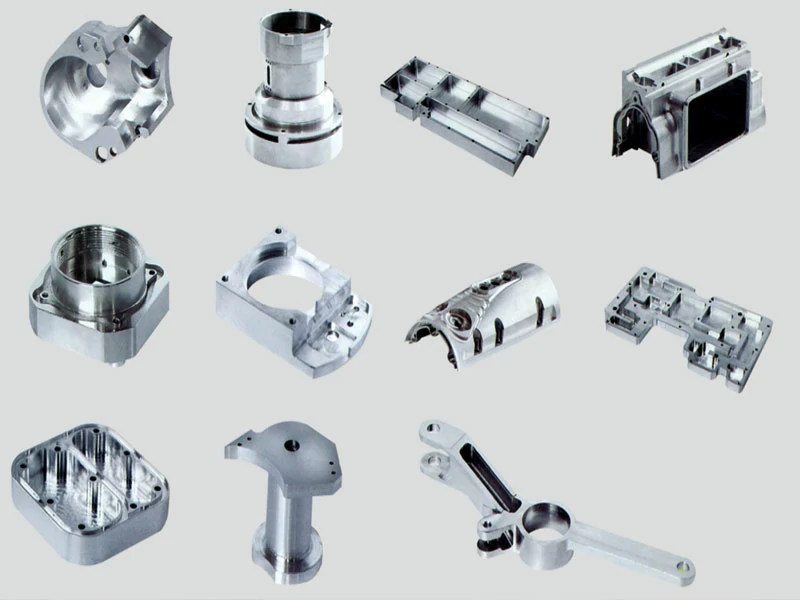
CNC machining is widely used for producing engine parts, gearbox housings, brake components, suspension systems, shafts, and structural brackets. Some parts require high-speed material removal, while others require precise surface finishing or multi-face machining.
In recent years, electric vehicle manufacturing has also increased demand for aluminum machining, battery housing components, and lightweight structural parts. CNC machining allows manufacturers to maintain stable quality while adapting to changing vehicle designs.
Which CNC machines are commonly used in automotive production?
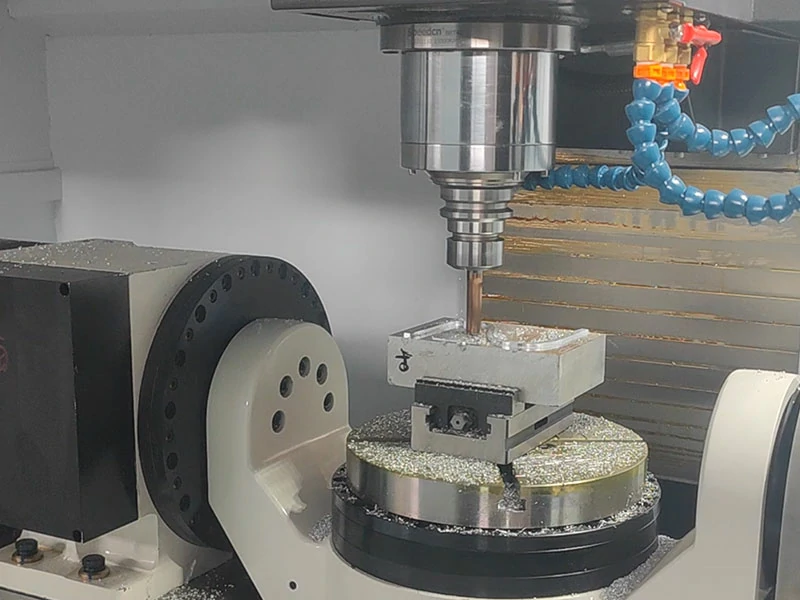
Different automotive parts often require different machining solutions. Vertical machining centers are commonly used for smaller precision parts, while horizontal machining centers are preferred for multi-side machining and higher batch production efficiency.
CNC lathes are widely used for shaft-type components and rotational parts. For more complex geometries, manufacturers may also use 4-axis or 5-axis machining to reduce multiple setups and improve machining consistency.
Materials used in automotive CNC machining
Modern automotive manufacturing uses a wide range of materials depending on performance requirements, weight targets, and production cost considerations. Aluminum alloys are widely used because they help reduce vehicle weight while maintaining good machinability.
Steel and cast iron are still commonly used for high-strength structural components, while engineering plastics may be used for interior systems and functional assemblies. Different materials require different cutting parameters, tooling strategies, and machining stability.

Why CNC machining for automotive industry continues to grow
Compared with traditional manual machining methods, CNC machining offers better repeatability, faster production speed, and more stable dimensional control during continuous manufacturing.
As automotive production becomes more automated and vehicle structures become more complex, manufacturers increasingly require machining solutions capable of handling both production efficiency and precision requirements. CNC machining for automotive industry applications helps support these demands while reducing waste and improving production consistency.
Learn more about modern automotive manufacturing standards from SAE International .
Frequently Asked Questions
Learn more about automotive CNC machining, common automotive components, machining processes, and production advantages in modern automotive manufacturing.
Automotive CNC machining is widely used for producing engine components, gearbox housings, brake system parts, suspension components, shafts, structural brackets, and EV aluminum parts. CNC machining helps manufacturers maintain stable dimensional accuracy and consistent production quality for large-scale automotive manufacturing.
CNC machining improves machining consistency, repeatability, and production efficiency in automotive manufacturing. Stable tolerance control is critical because even small machining deviations may affect final assembly quality, vibration performance, and long-term operational reliability.
Vertical machining centers, horizontal machining centers, CNC lathes, and 5-axis machining centers are commonly used in automotive CNC machining applications. Different machine configurations are selected depending on part complexity, machining efficiency requirements, and production volume.
Common automotive machining materials include aluminum alloys, steel, cast iron, and engineering plastics. Aluminum machining has become increasingly important in electric vehicle manufacturing because lightweight materials help improve energy efficiency and vehicle performance.
Yes. CNC machining for automotive industry applications is widely used in electric vehicle production, including battery housing components, lightweight structural parts, aluminum components, and precision EV assemblies requiring stable machining accuracy.