

CNC Machining for Medical Industry
Medical manufacturing requires extremely high precision, reliability, and consistency for producing critical components used in healthcare equipment and surgical devices. CNC machining plays an essential role in manufacturing medical parts with strict tolerance control and excellent surface finish. From surgical instruments to implantable components and diagnostic equipment, precision machining ensures stable quality and compliance with demanding medical standards.
Why precision is critical in medical machining
Medical components often require micron-level accuracy and strict dimensional control. Even small deviations can affect device performance, safety, and compatibility during medical procedures. CNC machining for medical industry applications allows manufacturers to maintain high repeatability and precision across both small batch and mass production.
In addition, many medical parts require smooth surface finishes to meet hygiene standards and reduce contamination risks. Stable machining processes are essential to achieve these requirements consistently.
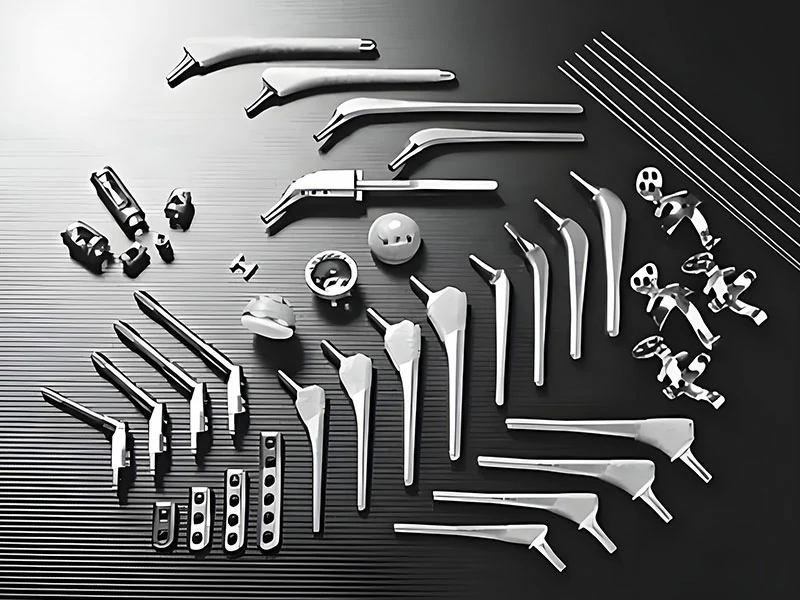
Common medical parts produced with CNC machining
CNC machining is widely used in the production of surgical instruments, orthopedic implants, dental components, and medical device housings. Many of these parts require complex geometries, fine details, and consistent dimensional accuracy. CNC machining for medical industry applications is widely used for producing precision medical components with stable repeatability and high surface quality.
CNC machining also supports prototype development and low-volume production, which is important for testing new medical devices and customized healthcare solutions.
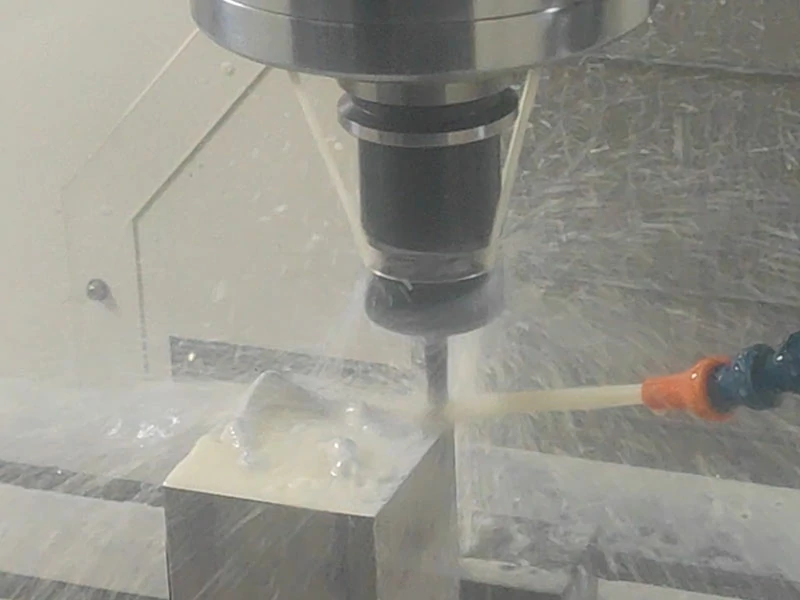
Which CNC machines are used in medical manufacturing?
Medical machining often requires high-precision machining centers capable of handling small and complex components. Vertical machining centers are commonly used for precision parts, while multi-axis machining allows for complex geometries.
CNC lathes are widely used for producing cylindrical and rotational components, especially in implant and connector manufacturing. Advanced 5-axis machining further improves accuracy and reduces multiple setups.
Materials used in medical CNC machining
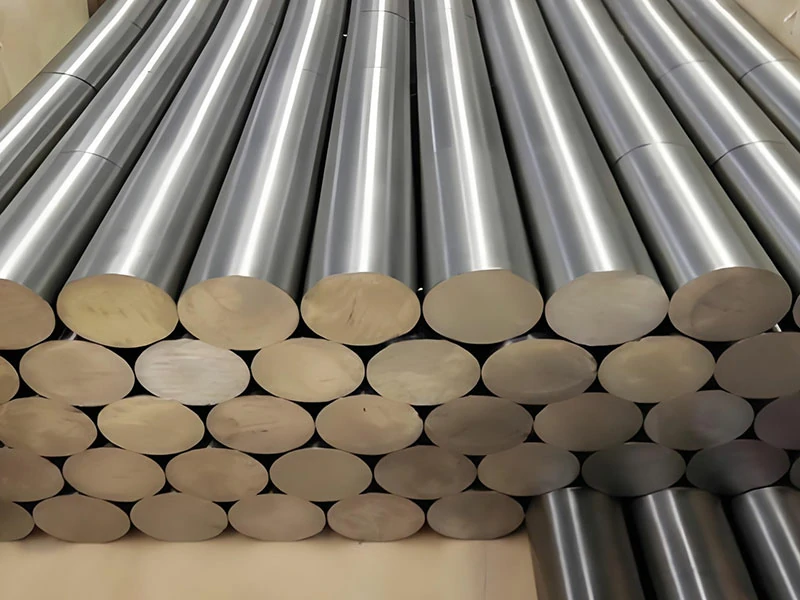
CNC machining for medical industry production often requires biocompatible materials with stable machining performance. Medical components are often made from specialized materials such as stainless steel, titanium alloys, and medical-grade plastics. These materials are selected for their strength, corrosion resistance, and biocompatibility.
Different materials require precise cutting strategies and stable machining conditions to maintain surface quality and dimensional accuracy during production.
Why CNC machining is essential in the medical industry
CNC machining for medical industry production provides high precision, consistent quality, and flexible manufacturing capabilities, making it essential for modern healthcare manufacturing. It supports both high-volume production and customized components with strict requirements.
As medical technology continues to evolve, manufacturers require machining solutions that can handle increasingly complex designs while maintaining high reliability and efficiency.
Learn more about medical manufacturing standards at FDA Medical Devices .
Frequently Asked Questions
Learn more about CNC machining for medical industry applications, precision medical components, machining processes, and healthcare manufacturing solutions.
CNC machining for medical industry applications is a precision manufacturing process used for producing surgical instruments, orthopedic implants, medical device housings, dental components, and diagnostic equipment parts. It provides stable dimensional accuracy, repeatable machining quality, and excellent surface finish for critical medical components.
Medical components often require micron-level tolerance control and smooth surface finishes. Even small machining deviations may affect device safety, compatibility, and long-term reliability. CNC machining helps manufacturers maintain stable precision and consistent production quality for medical applications.
CNC machining is widely used for manufacturing surgical instruments, orthopedic implants, dental components, implant connectors, medical housings, and precision micro parts used in healthcare equipment and medical devices.
Vertical machining centers, CNC turning machines, and advanced 5-axis machining centers are commonly used in medical CNC machining. These machines support complex geometries, high precision cutting, and stable machining performance for critical medical parts.
Medical CNC machining commonly uses titanium alloys, stainless steel, and medical-grade plastics. These materials are selected for their corrosion resistance, strength, durability, and biocompatibility in healthcare applications.
CNC machining for medical industry production provides high precision, stable quality, and flexible manufacturing capabilities. It supports both prototype development and mass production while meeting strict medical manufacturing standards and reliability requirements.